
Learning the types of swimming strokes is essential for anyone entering the water. Whether you’re training for fitness, competition, or safety, knowing each stroke helps improve technique and endurance. The four main competitive strokes are freestyle, backstroke, breaststroke, and butterfly. Each one uses different body movements and energy levels. Mastering them allows swimmers to adapt to various conditions. From pools to open water, these skills increase confidence and efficiency.
Moreover, understanding the types of swimming strokes benefits people at every level. Children build coordination early. Adults enhance cardiovascular health. Athletes gain speed and precision. Even recreational swimmers enjoy more fun with better form. Coaches use these techniques to structure lessons. Lifeguards apply them during rescues. Clearly, learning all four styles offers long-term advantages. As we explore each stroke in detail, you’ll see how they differ and why each matters. No matter your goal, studying the types of swimming strokes unlocks new possibilities in the water.
 Freestyle: Speed and Efficiency Combined
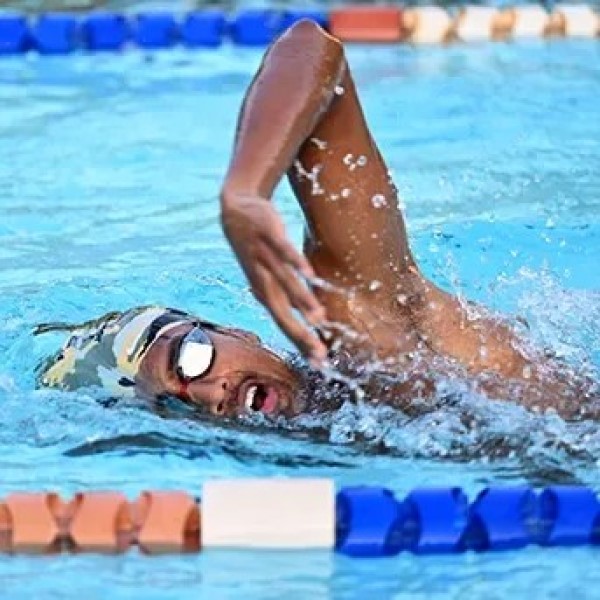
Freestyle is the fastest and most widely used swimming stroke. It’s often called front crawl due to its alternating arm motion. Swimmers lie face-down and rotate their shoulders slightly. This rotation aids breathing and reduces drag. Arms pull through the water in an S-shaped pattern. Each hand enters just ahead of the shoulder.
Legs perform a flutter kick. They move up and down rapidly but stay close to the surface. The kick provides balance and steady propulsion. Strong core muscles help maintain alignment. A streamlined body position cuts through the water smoothly.
Breathing occurs to one side. Swimmers turn their head during arm recovery. Most breathe every two or three strokes. Bilateral breathing improves symmetry and performance.
Because it’s fast and efficient, freestyle dominates races. Olympic events range from 50 meters to 1500 meters. Open water swimmers rely on this stroke for long distances.
Beginners find it easier than other styles. The continuous movement builds rhythm quickly. With practice, timing improves naturally. Many learn freestyle first before exploring other types of swimming strokes.
Coaches emphasize high elbow catch and strong finish. These details boost power per stroke. Drills like catch-up or fingertip drag refine mechanics. Over time, small adjustments lead to faster times.
Training Tips to Improve Your Freestyle
Improving freestyle starts with proper body alignment. Keep hips near the surface. Avoid sinking legs—they create drag. Practice kicking with a board to strengthen lower limbs. Use fins briefly to feel correct ankle flexibility.
Next, focus on hand entry. Enter fingertips first, not flat hands. This reduces splash and increases reach. Pull with high elbows to engage larger muscle groups. Avoid crossing over the centerline.
Drills help isolate skills. Try single-arm freestyle with a snorkel. This removes breathing distractions. Use a pull buoy to eliminate leg movement. Build upper-body strength without fatigue.
Breathing technique needs attention too. Turn your head only as much as needed. One goggle should dip into the water. Inhale quickly and return to neutral. Exhale steadily underwater. This prevents breath-holding and tension.
Video analysis reveals flaws. Record yourself from poolside. Watch for hip drop or uneven kicks. Compare with elite swimmers’ form. Small fixes yield big gains.
Consistency beats intensity. Swim several times per week. Mix distance, sprints, and drills. Track progress weekly. Over months, endurance and speed grow together.
 Backstroke: Power on Your Back
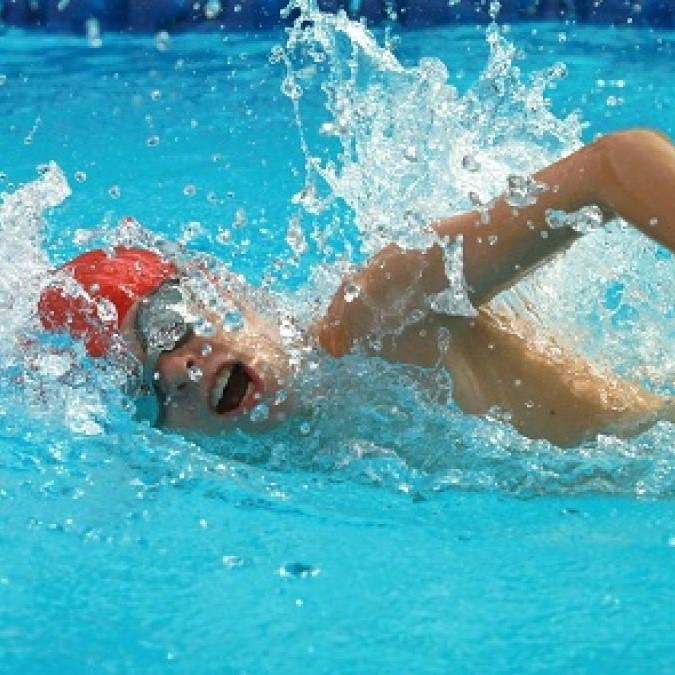
Backstroke is unique among the types of swimming strokes because swimmers face upward. It uses the same alternating arm motion as freestyle. However, arms pull in reverse order. One hand exits near the hip and re-enters overhead. The thumb leads during entry.
The flutter kick remains constant. It keeps the body elevated. Core engagement prevents rolling too far sideways. Shoulders rotate with each arm cycle. Hips follow slightly to maintain flow.
Head stays still and relaxed. Ears float just below the surface. This position allows easy breathing. There’s no need to time breaths. Swimmers can talk or sing mid-lap.
Backstroke starts in the water. After a push-off, swimmers glide on their back. Underwater dolphin kicks are allowed for up to 15 meters. Then regular stroke begins.
It’s the only competitive stroke done facing the sky. This makes navigation harder. Swimmers count strokes to stay centered. They check wall position before turns. Flip turns require precise timing.
Backstroke suits those with neck or shoulder sensitivity. It avoids forward hunching. Many use it for rehabilitation. Its low-impact nature supports joint health.
Competitive races go from 50 to 200 meters. It appears in individual and medley relays. Learning backstroke adds balance to any swimmer’s skill set.
How to Perform a Proper Backstroke Turn
Turning in backstroke requires coordination. At the wall, swimmers stop upside down. One hand touches the wall while still on the back. Then, they bend knees toward the chest.
A backward flip follows. The body tucks and rotates under the surface. Feet point toward the wall after the turn. Legs press off in streamline position.
Timing is critical. Too early or late disrupts momentum. Practice counting strokes before the wall. Most elite swimmers know their approach exactly.
After pushing off, swimmers glide underwater. Dolphin kicks boost speed. They must surface within 15 meters. Breaking rules leads to disqualification.
Underwater phase matters. Fast kicks increase start-to-turn speed. Streamlined posture reduces resistance. Hands lock above the head. Fingers squeeze together.
Drills improve consistency. Use a tennis ball between hands to keep arms straight. Practice tuck floats to master rotation. Wall touch drills build confidence.
Always train with supervision. Backward motion feels unnatural at first. Spotters prevent accidents. Over time, turns become automatic.
 Breaststroke: Technique Over Speed
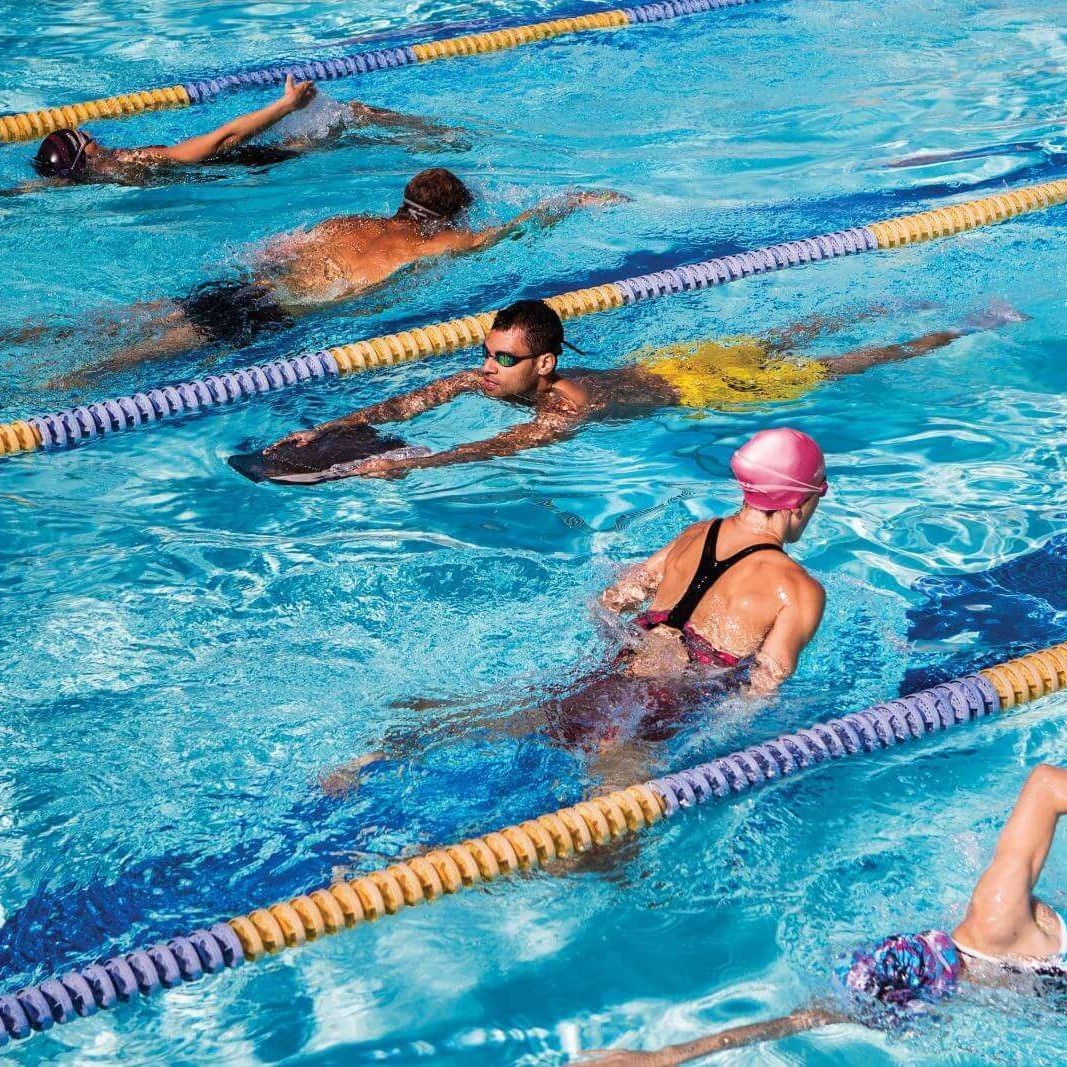
Breaststroke is one of the oldest types of swimming strokes. It mimics frog movement. Swimmers stay horizontal but lift the head to breathe. The stroke includes four phases: outsweep, insweep, recovery, and kick.
Arms begin extended forward. They sweep out wide and then pull inward. The insweep pushes water toward the chin. Hands meet at the chest before shooting forward again.
The kick, called the whip kick, is complex. Knees bend and draw up toward the hips. Feet turn outward. Then, legs extend in a circular motion. The thrust propels the body forward.
Timing links arms and legs. The kick follows the arm pull. A short glide happens after each cycle. This rest phase distinguishes breaststroke from others.
It’s the slowest competitive stroke. Yet, it demands excellent technique. Poor timing kills momentum. Many beginners struggle with coordination.
Breaststroke has strict rules. One arm cycle and one kick per stroke. Submerged arm pulls are limited. Only one downward dolphin kick is allowed after starts and turns.
Despite its pace, it’s valuable for fitness. It works the chest, thighs, and glutes. Joint-friendly motion suits older adults. Water aerobics classes often include it.
Masters swimmers appreciate its rhythm. Long-distance versions appear in non-competitive settings. For learning control, few strokes compare.
Common Mistakes and How to Fix Them
Many swimmers make errors in breaststroke. One common issue is scissor kicking. Legs move asymmetrically. This slows progress and breaks rules. Focus on keeping both legs together. Practice wall kicks to build muscle memory.
Another mistake is lifting the head too high. This drops the hips and increases drag. Breathe by raising only the mouth. Keep the neck aligned. Use mirrors or video feedback.
Rushing the stroke kills glide time. Some skip the pause completely. This wastes energy. Embrace the glide. Let momentum carry you forward. Count “one-Mississippi” if needed.
Hand recovery above water creates splash. It also raises the torso. Keep hands under the surface during recovery. Push forward from the chest.
Overwide pulls reduce power. Hands should stay within shoulder width. Think of pulling through a narrow tunnel.
Practice slow-motion drills. Use pull buoys to isolate arms. Focus on smooth transitions. Add fins to feel correct kick timing.
Coaches often use verbal cues. Phrases like “scoop, snap, shoot” guide learners. Repetition builds natural rhythm. Patience delivers results.
 Butterfly: Strength and Symmetry
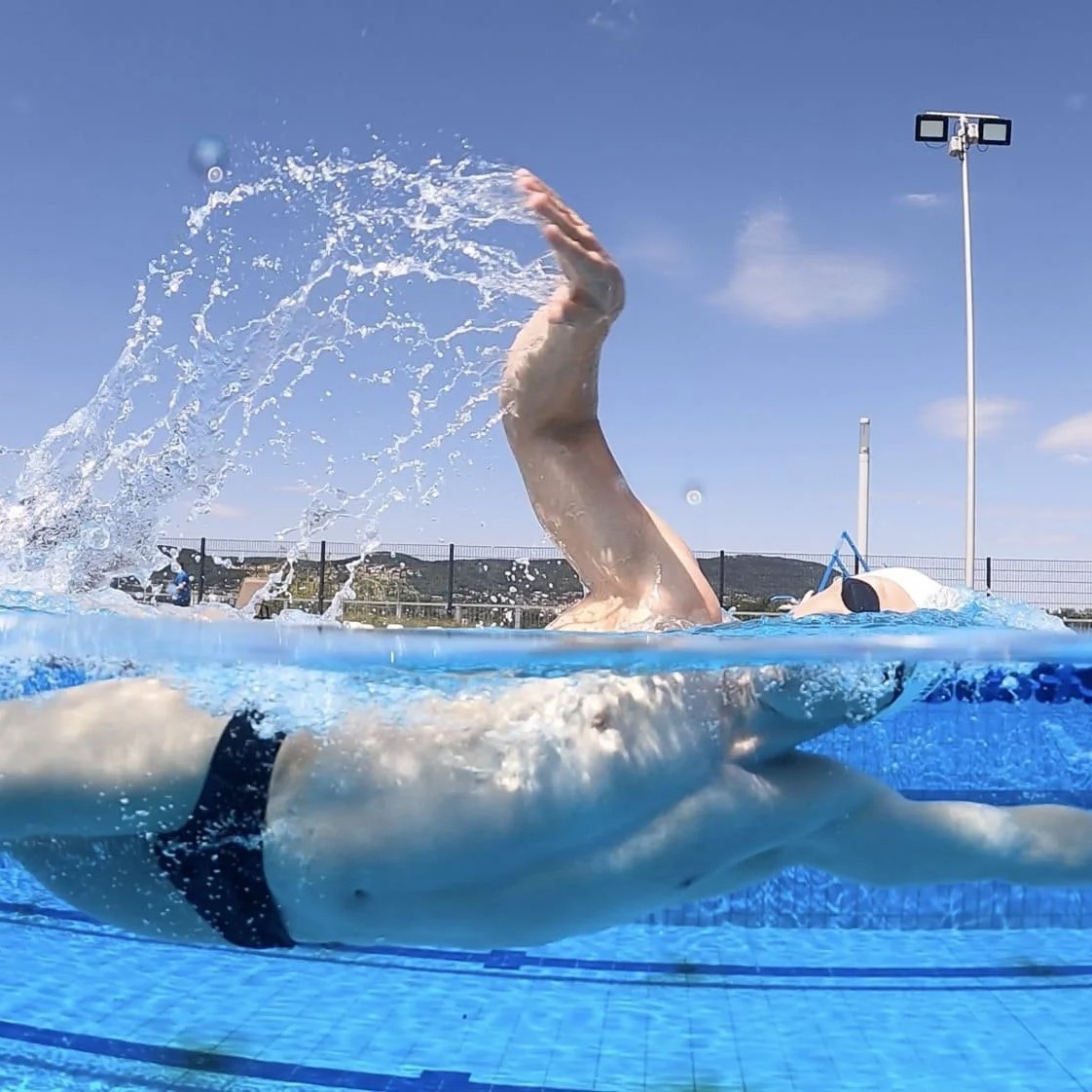
Butterfly is the most physically demanding of the types of swimming strokes. It requires full-body coordination. Both arms move simultaneously. They swing forward over the water. Legs perform a dolphin kick.
The stroke begins with both arms pulling underwater. They trace a keyhole pattern. Elbows stay high during the catch. The pull ends at the hips.
Then, arms recover over the surface. They enter thumbs first. Forward momentum carries the body. The chest lifts slightly during breath.
The dolphin kick powers the entire stroke. Both legs move as one unit. The motion starts from the core. It flows through hips and feet. Two kicks occur per arm cycle. The first happens during the pull. The second aligns with hand entry.
Butterfly demands strong lungs and flexible shoulders. Fatigue sets in quickly without conditioning. Breathing must be timed perfectly. Inhale during the upward body rise. Exhale underwater.
It appears in 50, 100, and 200-meter races. Swimmers must maintain rhythm throughout. Turns involve two-hand touch and a flip. Underwater kicks follow after push-off.
Beginners start with dolphin kick drills. Use a board or snorkel. Learn body undulation on land first. Lie on your stomach and mimic the wave motion.
This stroke builds power and endurance. Few others challenge the whole body so completely.
Building Endurance for Butterfly
Mastering butterfly takes time. Start with short distances. Swim 25 meters at a time. Focus on form, not speed. Rest fully between repeats.
Build lung capacity gradually. Practice bilateral breathing. Increase stroke count per breath. Hold exhales longer underwater.
Strength training helps. Planks, push-ups, and lat pulldowns support stroke mechanics. Core stability prevents sagging hips.
Use fins during early sessions. They assist with kick timing. A snorkel removes breathing pressure. Concentrate on arm symmetry.
Break the stroke into parts. Drill arms-only with a kickboard between legs. Then, do kick-only with arms at your sides. Combine slowly.
Set realistic goals. Aim for one lap before resting. Then two. Track progress weekly. Celebrate small wins.
Join a swim class. Group feedback speeds improvement. Coaches spot issues early. Teammates offer motivation.
Patience and repetition win. Butterfly rewards effort over time.
Frequently Asked Questions
Which stroke is easiest for beginners? Freestyle is usually the first taught. It feels natural and builds confidence.
Is breaststroke good for weight loss? Yes. It engages large muscle groups. Burn calories efficiently.
Can I mix strokes in one workout? Absolutely. Combos build overall fitness. Triathletes often do this.
Do all strokes work the heart? Yes. All types of swimming strokes boost cardiovascular health.
Which stroke is best for back pain? Backstroke. It keeps the spine neutral. Reduces strain.
How long does it take to learn butterfly? Varies. Most need weeks to months. Depends on fitness and practice.
 Final Thoughts on Mastering the Types of Swimming Strokes
Understanding the types of swimming strokes opens doors to better fitness, safety, and enjoyment. Each style offers unique benefits. Freestyle builds speed. Backstroke improves balance. Breaststroke enhances coordination. Butterfly develops full-body strength. Together, they create a well-rounded swimmer.
Whether you’re preparing for competition or simply enjoying recreation, mastering these strokes pays off. They increase stamina, burn calories, and improve mental focus. Kids, adults, and seniors all benefit. With consistent practice, anyone can improve.
Remember that progress takes time. Focus on form before speed. Use drills and coaching tools. Always prioritize safety. Respect your limits.
As you continue, revisit the types of swimming strokes regularly. Refine each one. Challenge yourself with new distances. Share knowledge with others.
Swimming is a lifelong skill. Knowing all four strokes ensures you’re ready for any water situation. Make them part of your routine. Enjoy the journey—one stroke at a time.